If you’ve ever avoided dairy because it doesn’t sit well with your stomach, you’re not alone. Millions of Americans deal with some degree of lactose sensitivity, and most of them assume all dairy is off the table. But here’s something that might surprise you: not all dairy is created equal. Sheep’s milk, in particular, has a unique nutritional profile that makes it naturally easier to digest than conventional cow’s milk dairy.
At The Ricotta & Cheese Factory, we build every product around one core ingredient: premium Italian sheep’s milk. And there’s a very good reason for that.
What Is Lactose and Why Does It Cause Problems?
Lactose is the natural sugar found in milk. To digest it, your body needs an enzyme called lactase. Many adults produce less lactase as they age, which means undigested lactose passes into the large intestine, causing bloating, discomfort, and digestive issues.
This is what’s commonly referred to as lactose intolerance or lactose sensitivity. It affects an estimated 36% of Americans to some degree, making it one of the most common dietary concerns in the country.
So Why Is Sheep’s Milk Different?
Sheep’s milk contains lactose, but in a form your body handles more efficiently. Here’s why:
1. Higher fat and protein content slow digestion Sheep’s milk is significantly richer in both fat and protein compared to cow’s milk. This slower digestion gives your body more time to process the lactose, reducing the likelihood of discomfort.
2. Smaller fat globules The fat globules in sheep’s milk are smaller and more uniform than those in cow’s milk. This makes them easier to break down during digestion, which contributes to better overall tolerability.
3. Different protein structure Sheep’s milk contains a different ratio of casein proteins. Some research suggests this structural difference contributes to gentler digestion, even for people who struggle with conventional dairy.
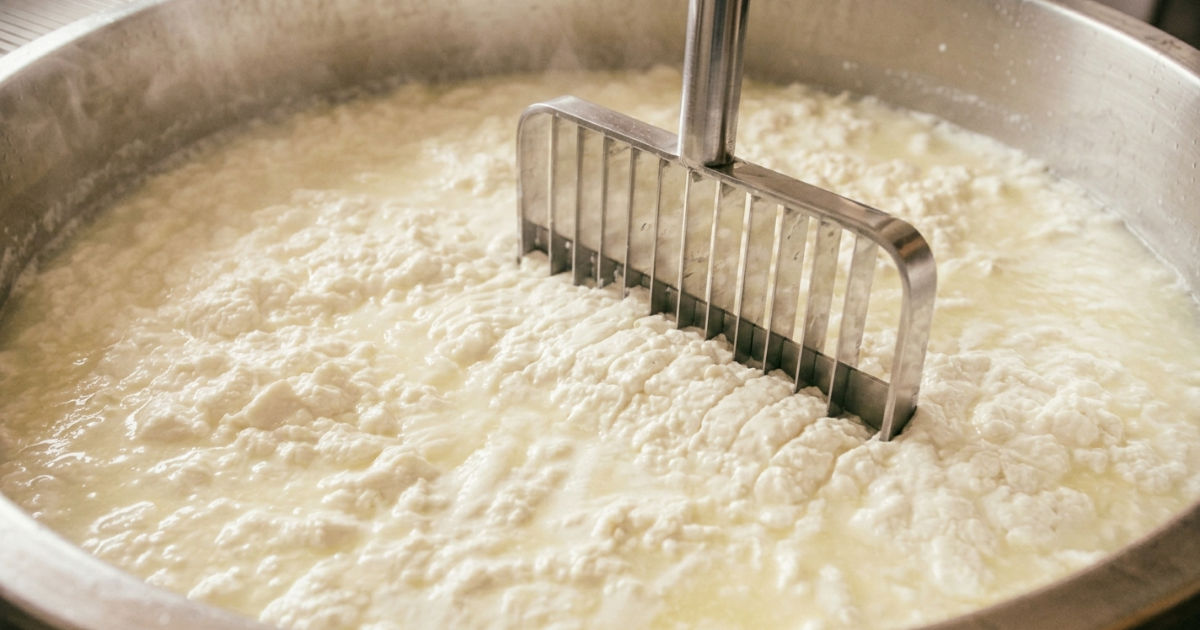
4. The cheesemaking process reduces lactose further When ricotta is made, much of the lactose is naturally removed during the whey separation process. This means that sheep’s milk ricotta, like the kind we make at The Ricotta & Cheese Factory, ends up with significantly less lactose than a glass of cow’s milk.
What This Means for You
If you’ve been avoiding creamy, indulgent dairy snacks because of how they make you feel, sheep’s milk ricotta might be the answer you’ve been looking for.
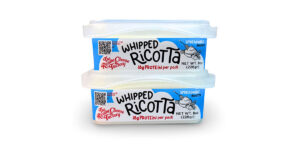
Our Cannoli Dip and Whipped Ricotta are made with 100% Italian sheep’s milk, with no artificial ingredients and no unnecessary additives. You get all the richness and flavor of authentic Italian ricotta, with a profile that’s far gentler on your digestive system than most conventional dairy products.
And with 16 grams of protein per serving, it’s not just easier to digest. It’s genuinely good for you.